super generic girl

the awesomely average life of a girl like all others


3 Comments

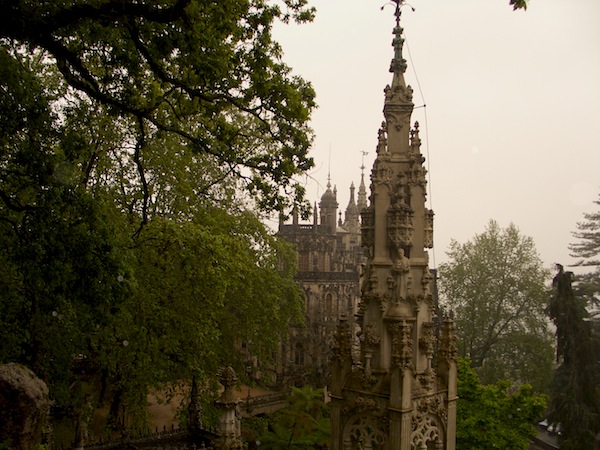
A small photo tour of Sintra’s many sintras

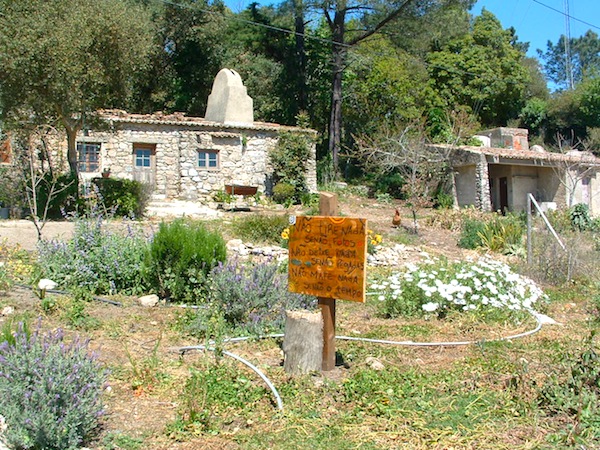
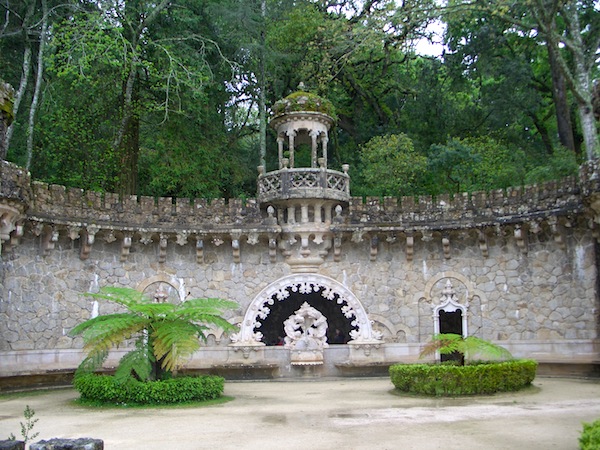
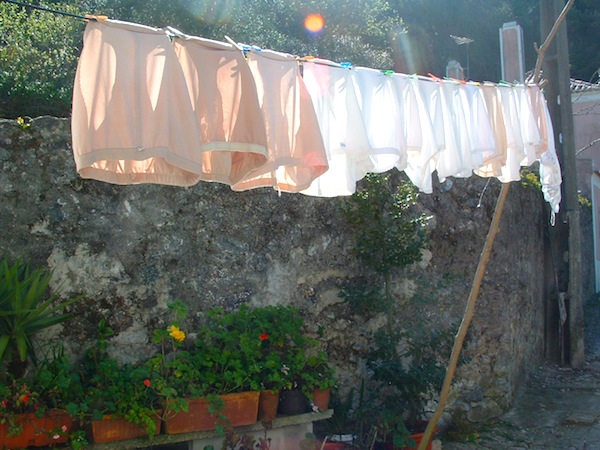
One of the many amazing things about Sintra is the number of “sintras” that there are in that one town, at any given time. Visit it on a sunny warm day and you have a happy town. Visit it when the weather’s not so nice and you have this sort of eerieness that is, at the same time, spooky and attractive. You have the old neighbourhoods with the stone houses and the majestic and ostentatious monuments, palaces and castles. The gorgeous wide gardens and the skinny cobblestone streets. The untouched Unesco patrimony (Sintra is a Unesco World Heritage Site and you can read why here) and the graffitied ruins.

It’s little wonder it has been the setting of so many novels. If you’re in Lisbon, Sintra is one of the best day-trips you can choose to do. Visit the castle, the palace, Quinta da Regaleira, eat Queijadas de Sintra… but don’t forget to also go off the beaten track and check out the stuff that exists beyond the monuments.


11 Comments

Leitch’s Track, Whareorino Forest, New Zealand

It was about time we hit the bush again for some good hikes, after a way too long break caused by a mixture of New Zealand winter, busy times and a certain dislike of freezing temperatures.

On Friday, a group of nine people left Auckland and drove for three hours down to the Whareorino Forest for what was my first overnight hiking experience. In fact, there was more than just one “first” that night: first time hiking in the bush at night, first time sleeping in a hut, first time using a longdrop toilet… too much info? Okay then.

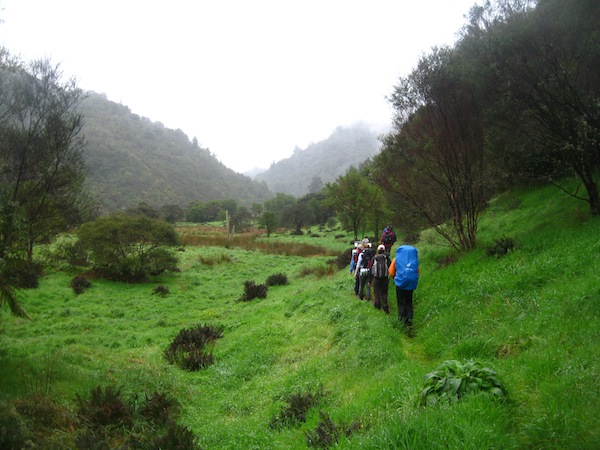
We set out into the bush when it was already dark and could only see as far as our head torches would let us (which really wasn’t more than a couple of meters in front of us). The hike into the hut took us about 3.5 hours and turned out to be 10.5km and not the 8.5km that the DOC sign at the start told us it was. The terrain was fairly easy but it was made slightly harder by the fact that we were hiking in the dark and carrying heavy backpacks.

Needless to say, we didn’t stop to take any photos. Those 3.5 hours were spent adjusting our eyes to darkness, fighting big patches of slippery mud (and losing most of those fights) and trying not to slide down the skinny parts of the track with huge drops on the side. We did see lots of glowworms, though, so if you need a reason to hike at night, there’s one right there.

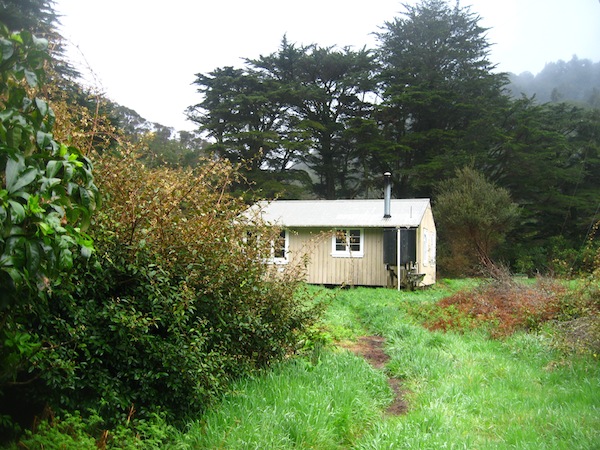
We arrived at Leitch’s Hut just after midnight and, after a quick snack and a few laughs (that must have woken up the other two occupants of the hut – oops!), got into our sleeping bags. It wasn’t exactly the five-star accommodation I had been in just a couple of nights before in Singapore but I was so exhausted I slept like a rock.

I woke up the next morning feeling much better than I’d expected, with no sore muscles and loads of energy. I was pretty excited about not needing my head torch anymore and being able to finally look at all the waterfalls we could only hear the night before.

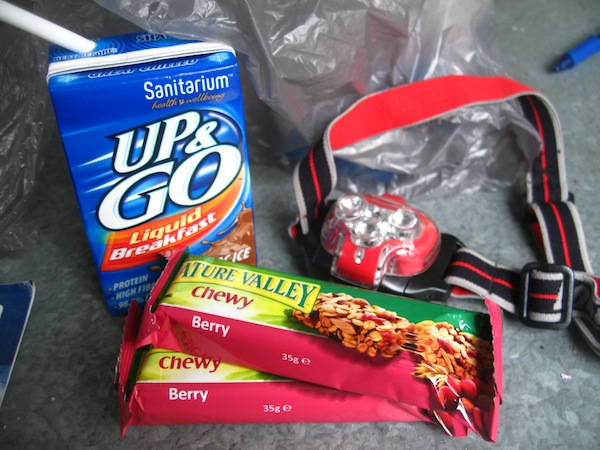
After quickly eating breakfast (a nut bar and an up&go liquid breakfast), I put on a clean top and a clean pair of socks (that turned into wet socks about 0.2 seconds after I put my hiking boots on) and we set on our way. My pants were still damp and dirty from the night before so I was glad I’d made the last-minute decision to wear my full-length running skins underneath.

Before leaving the hut, we signed the Intentions Book where we’re meant to inform DOC of our names and details of our tramp, in case we get lost or injured.

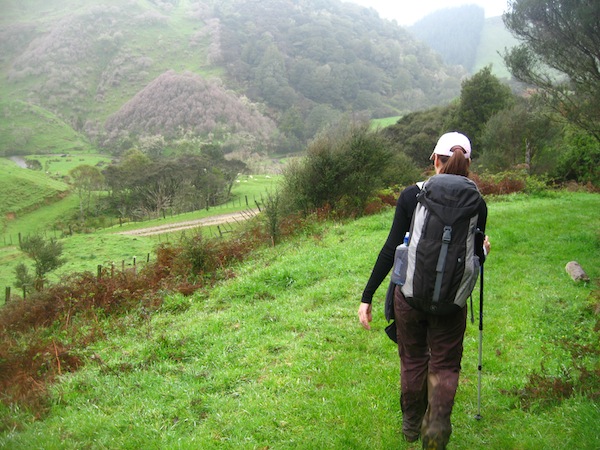
The path was still very wet and slippery but at least we could now see everything ahead of us.

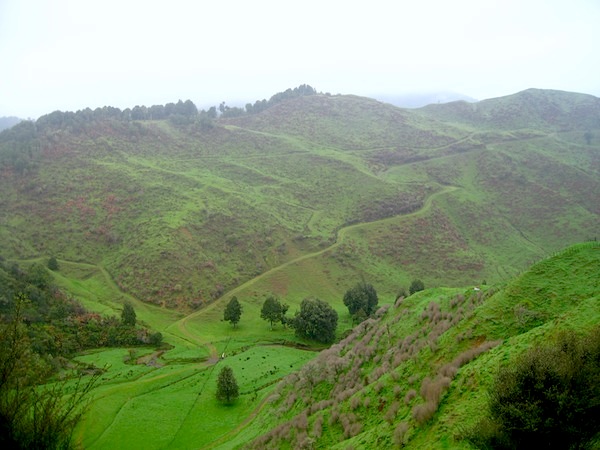
The weather wasn’t as clear as I hoped it would be but the few rain drops we got on our way out were a very welcome way to cool down. For a lot of the way, what was ahead of us was actually giant patches of slippery ankle-deep mud. I discovered hiking is a lot more fun once you stop caring about how much water and mud gets into your shoes.

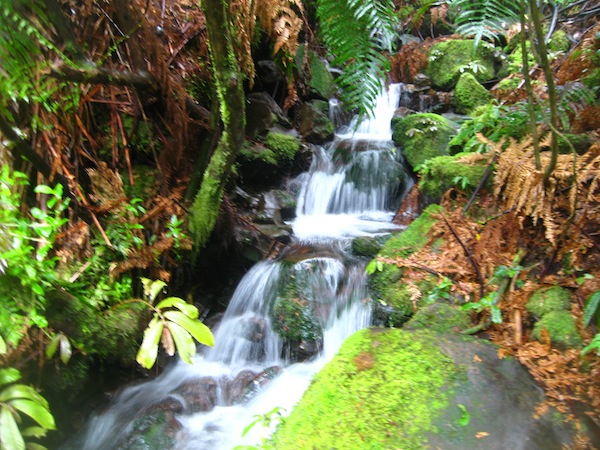
And yes, our ears hadn’t been lying to us. All those times hearing water right next to us as we hiked further into the darkness meant that we were walking past pretty waterfalls.

About 20km later (lesson learnt: don’t believe all DOC signs), we were heading out of the track and back in the car to drive another three hours back to Auckland and back to our happy places where not all shoes and socks are damp and cold and cell phones have reception. I’m still unsure whether my pants need to be washed or incinerated but at least I now know I can hike at night without dying of a heart attack anytime something moves or there is any noise coming from the bush and I can sleep in the most basic of huts because, after all that effort, my body is no longer equipped to tell the difference between my sleeping bag and a five-star hotel bed.

If you want more specific information about this track, New Zealand Tramper has the accurate details.


2 Comments

a flying visit to singapore

I travelled to Singapore on Monday, have now been here for about 48 hours and I’m already sitting in the hotel lobby making the most out of my free wifi connection before heading out to the airport before starting my 15 hour journey back to New Zealand.

I got to stay at a gorgeous hotel, the Marina Bay Sands, which is where the Infinity Pool (photo above) is located. It’s supposed to be a big attraction for crazy people who, unlike me, don’t think the combo water + height (the pool is on the 57th floor) is too scary to be fun. It’s really pretty, though. From a safe distance.

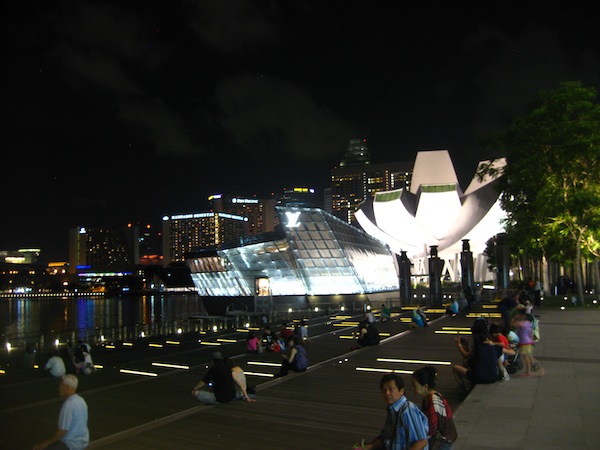
The area where the hotel is located is super flash and modern, with lots of skyscrapers and interesting buildings for my eyes to feast on.

I took advantage of jetlag and managed to go for two early morning runs (me and early mornings, now that doesn’t happen often!). I also went for a couple of evening walks and felt completely safe doing so. I know NZ isn’t exactly the world’s crime capital but I did feel slightly safer here.

Anyway, time to head out to the airport. More posts on Singapore to come, I’m sure. I’ll have to tell you all about how I caught up with the lovely Lua and we laughed and shopped and got rained on and I had an amazing time.

And to top everything up, I went into the supermarket and found Chocapic! It’s called Koko Krunch here and it’s got a different dude in the package (not Pico) but it’s still tastes like my favourite breakfast cereal ever (I know it tastes the same because I had already found Koko Krunch in Beijing and nearly died of happiness). I’m going to stuff two boxes in my suitcase to remind myself of Portugal back in New Zealand.


11 Comments

Formerly the Blackball Hilton

For some strange reason, I’m going back to the subject of off-the-beaten-track old style pubs. Don’t worry, I think this is the only other one I know. Also, don’t ask why, just embrace it as the useless piece of trivia that it is. Maybe you can use it as a conversation topic for when things get awkward around strangers? No? Okay, no.

Browsing through my photos of the South Island, I came across a couple of shots of the Blackball Hilton, located in the tiny town of Blackball on the West Coast (just inland from Greymouth), which is home to only about 330 people.

This Victorian style inn was built in 1910 and, in 1992, at age 82, when it was already old enough to be respected and left alone, the lawyers of the Hilton family (yes, that Hilton family) somehow heard of this place in the middle of nowhere, in the quietest little town on the quietest island. They slapped the owners with a lawsuit to get them to stop using the word Hilton and, in response, the name was changed and, since then, the inn has been known as “Formerly the Blackball Hilton”.


1 Comment

ettamogah pub

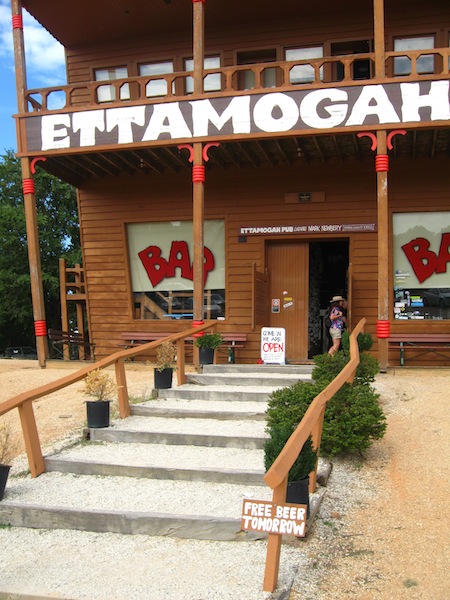
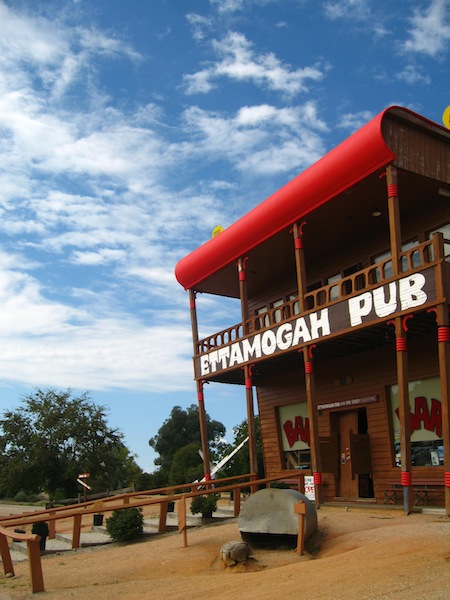
Imagine driving along a lonely piece of road for a while, without much to look out the window for. Hardly a car goes past because, lets face it, it’s Australia, you’re out of the city and so there aren’t that many people around anyway. All of a sudden, you spot this colourful shape in the horizon and, as you get closer, you might even be tempted to think you’ve somehow just jumped into a cartoon.

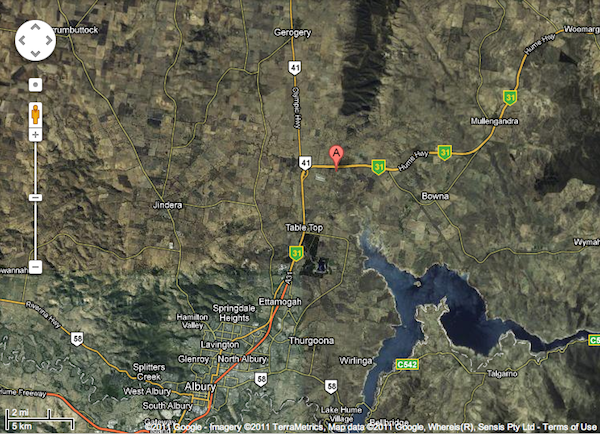
You’re probably on the Hume Highway in Australia and you’ve just come across the Ettamogah Pub, which many consider the most photographed pub in the world (and here are some more photos of it, just to help ensure the statement is accurate). It is a quirky place that adds a little more fun to your Australian roadtrip. It’s definitely worth parking the campervan and going for a wander around and having a drink, or even a meal. We didn’t try the meals so I can’t comment on the food. It was the middle of the afternoon of a really hot day so we settled for an ice cream, knowing we still had a lot of kilometers to cover on the road that day.


This particular Ettamogah Pub, in Albury (New South Wales), is the first one to have been built. Since then, a few others have opened in Australia, including in Sydney and the Sunshine Coast, but this one remains the original one. Come to think of it, the “most photographed pub in the world” accolade, if true, is probably valid for the Sunshine Coast or Sydney replicas. This particular location might just be a bit too out of the way to ever have the “most photographed” anything. But I could be wrong (no, really).

Last May, the owner announced a $3 million revamp for the pub. I’m not sure if any work has been done on it since then or not. These photos are from our trip over Easter 2009. We got a spaceship campervan for seven days and I had my first campervan-holidaying experience ever, which I really should blog about in a separate blog post. Spoiler alert: it ends with the campervan parked in a motel carpark on the last night and us requesting “any room that has a functioning hot shower, please!” to the motel receptionist.


8 Comments

a photo tour of new plymouth, new zealand

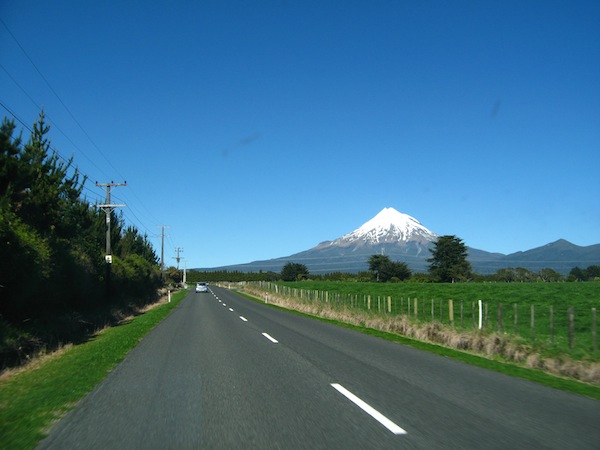
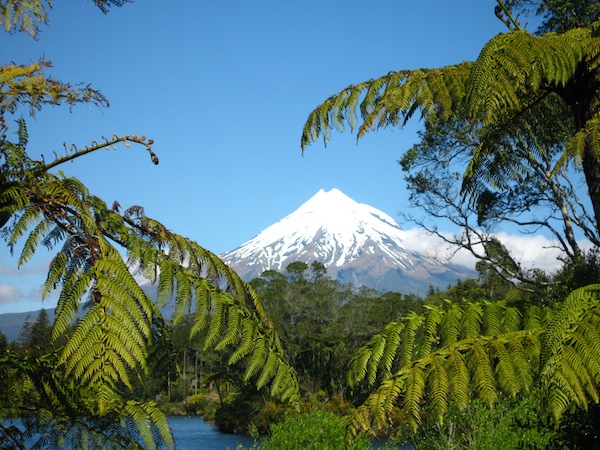
New Plymouth is definitely my favourite town in the North Island. Mt Taranaki dominates the landscape no matter where you are in town and it is always a beautiful sight. Because of its similarity to Mt Fuji, Mt Taranaki (also called Mt Egmont) is where the film Last Samurai was shot.

It feels like a sleepy little town, far away from the noise of the big cities, but there is actually quite a lot of action going on in New Plymouth, pretty much all year round.

It is well worth a day stop on a tour of the North Island. Or maybe even a couple of days if you really want to make the most out of all the sights – I could spend a good few hours just inside Pukekura Park, for example.

While you’re in the Taranaki region, a visit to the Three Sisters is mandatory.

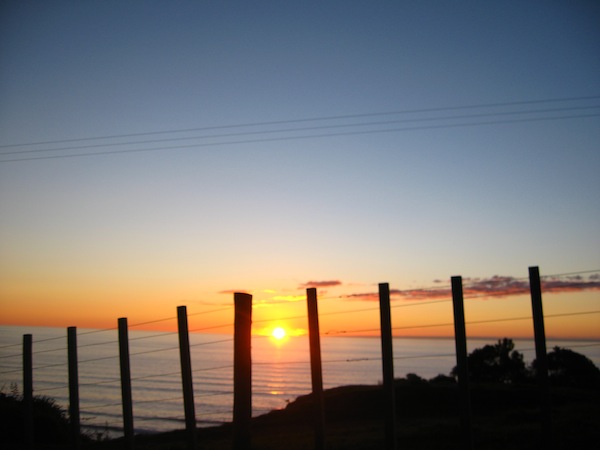
and if you stop there at the end of the afternoon, you might very well be rewarded with this:

If you are planning a New Zealand road trip, or even just a road trip around the North Island, this town should definitely be one of the pit stops.


5 Comments

postcards from ericeira

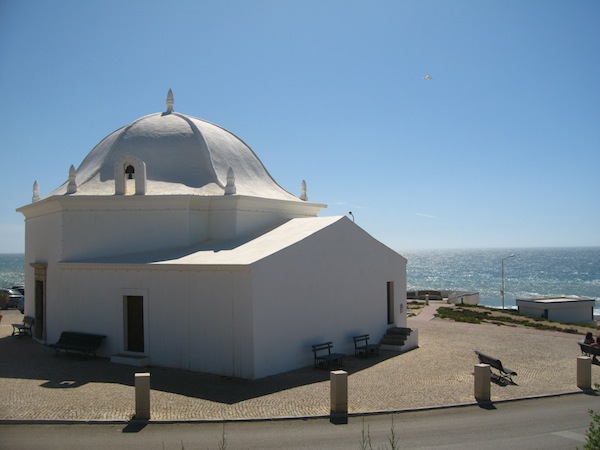
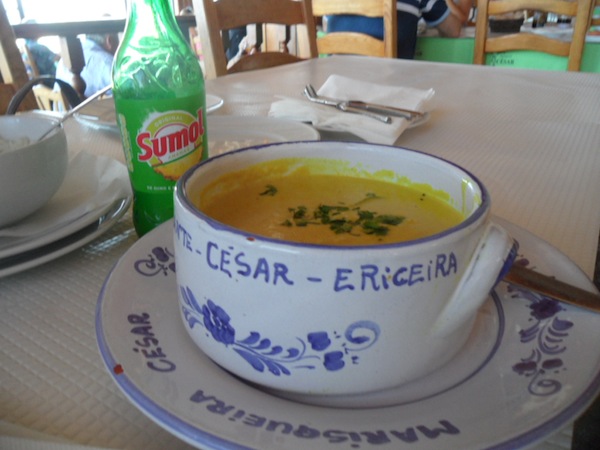
Heading to Ericeira for a seafood lunch has always kind of been a favourite activity for my parents and something we tend to do pretty much every year, without even planning or thinking about it. Even when I visited Portugal in Christmas in previous years and the weather outside was cold and uninviting, we always made the yearly pilgrimage and sat at the same waterfront restaurant.

This year, I finally got to return there on a summer day (and what a glorious summer day it was!). With me still uber jet lagged, only a couple of days after getting off the plane (well, planes) from the opposite side of the world, we sat at the usual restaurant and then spent the afternoon wandering around the streets and admiring the surfers out in the water.

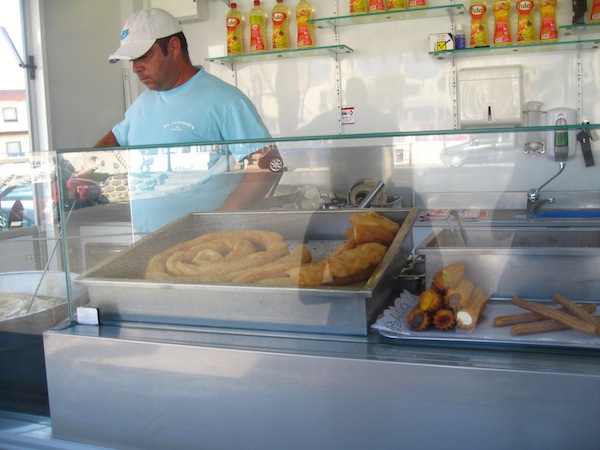
There isn’t one particular reason as to why we end up going to this place and not somewhere else but rather a mix of little things that add to Ericeira’s coolness factor. It’s a relatively short drive from Lisbon, it gives us the chance to stop in Sobreiro (Mafra) for some amazing pão com chouriço (which we didn’t this time, since we’d just gotten churros and farturas!) and it is one of those nice little fishing villages that has everything going for it: it’s got that small town character, the amazing sea views and amazing food.

And here’s some bonus trivia, which I’ve just learnt, courtesy of the always trustworthy wikipedia: “In 2011 Ericeira was chosen by the WSR to one of the four World Surfing Reserves together with Malibu and Santa Cruz in California and Manly Beach in Australia”.


Leave a comment

A mini-guide to Rotorua

The champagne pool

Rotorua is mostly known for its boiling mud and sulphur smell (to which, by the way, you get used to quite quickly). A short 2 1/2 hour drive away from Auckland, it is the number one day trip to do if you are a tourist in New Zealand and don’t have much time to see anything else on the North Island (either because you’re headed straight to the South Island, like many do, or because you don’t have that much time in the country at all). Also known as the geothermal capital of New Zealand, Rotorua has the advantage of being jam-packed with things to see and do. There are buses running from Auckland to Rotorua or you can also choose to fly there from Auckland.

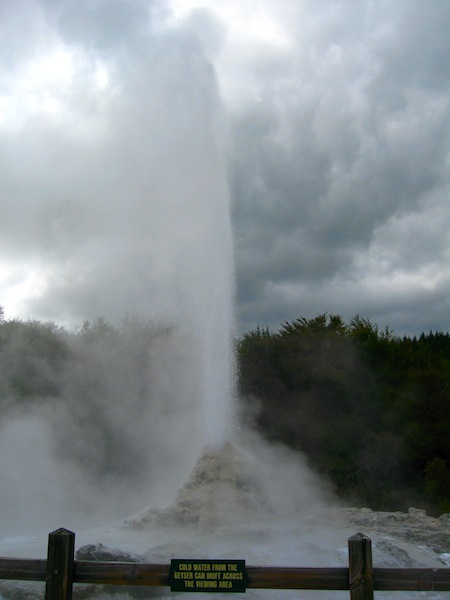
Lady Knox Geyser

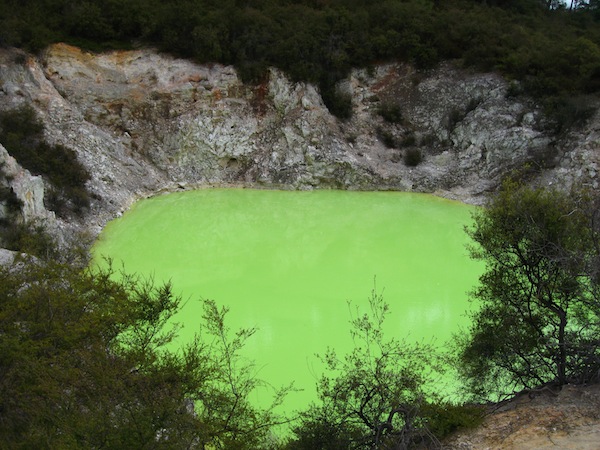
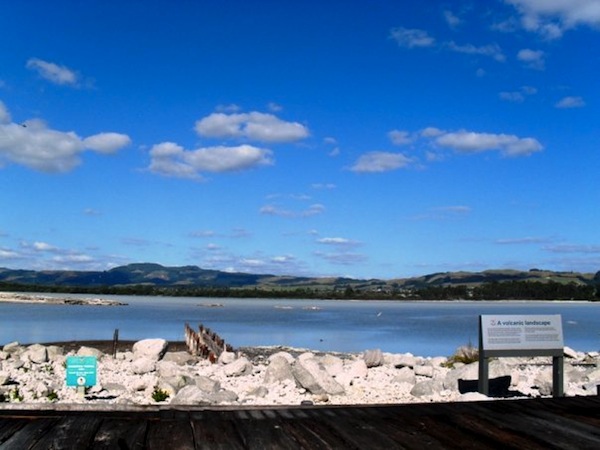
A visit to Wai-o-Tapu is well worth the time and money. You’ll get geothermal activity in all its glory, with boiling mud, amazing coloured lakes and a series of hot pools like the world-famous Champagne pool (top photo). It is also where you’ll be able to watch the Lady Knox Geyser erupt daily. Staff at Wai-o-Tapu creates the eruption by dropping some sort of soap into the geyser but that is just to assure that it erupts when they want. Otherwise, it erupts on its own anyway, it’s just harder to create a touristic show around it.

One of the lakes at Wai-o-Tapu

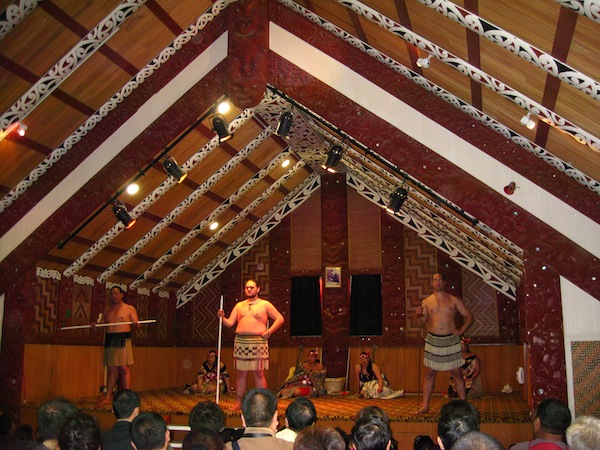
Te Puia is one of the several places in Rotorua where you can go for a “Maori cultural experience”. You’ll be taken into a traditional Maori Marae (meeting house) and will attend a traditional Maori ceremony. Te Puia has, however, many more attractions. It’s got its own geysers as well, which was an added bonus since we visited just a couple of hours after getting all “geysered out” at Wai-o-Tapu.

Maori performance at Te Puia

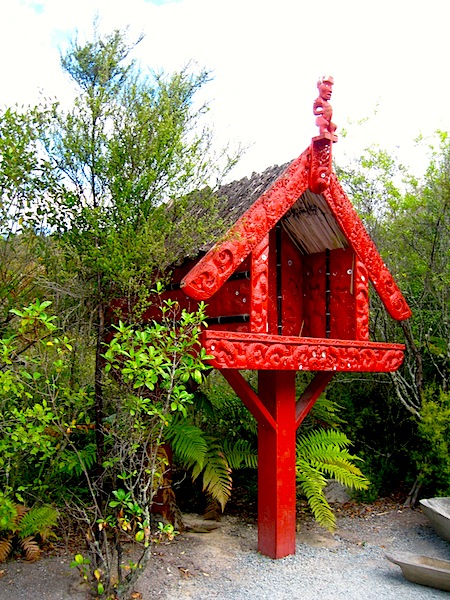
It’s also got a reconstitution of a traditional Maori village and a carving school full of amazing traditional carvings made by the apprentices. But the coolest thing about Te Puia was, without a doubt, the kiwi house. It was such a surprise because we didn’t realise it was part of it all so it was extra exciting to finally see a kiwi (even if it wasn’t in the wild, where they are oh so very rare to spot!).

Maori village at Te Puia

Once you’re done with boiling mud and geysers, you should try Zorbing. I know, I know… why would you want to roll down a big hill inside a giant inflatable ball? Well, why wouldn’t you? It’s awesome! I suggest you pack your swimwear and choose the zorb ball with water for extra fun (if you choose the one without water, you will be tied inside the zorb rather than just roll around inside it). It’s a short activity – probably won’t last you more than 45 minutes from signing the document saying it’s your fault if you die inside the zorb to rolling down the hill and putting your clothes back on and heading out. It’s worth it, though! There are now apparently a few other places in the world where you can zorb but this is the original one and Rotorua is where it was invented.

Zorbing

And if the zorbing is a little too much adventure for your taste or you feel like you need a rest, the Polynesian Spa is the place to go next. It’s not terribly expensive and you can even enjoy some really pretty views while you’re soaking in the hot pools. It’s apparently ranked in the top 10 spas in the world, accoridng to Conde Nast Traveler.

A view from the hot pools at the Polynesian Spa

Once you’re done with all these activities, do go for a wander around town because there is a lot of pretty stuff to see without having to be charged an entrance fee – and yes, that includes free boiling mud as well, of course.

Rotorua Museum

For more information on the four attractions mentioned, visit the following links:

Park in Rotorua


2 Comments

I know what I did last summer* – Great Barrier Island edition

A mini-guide to Great Barrier Island

A much-needed backup of my laptop led to me spending a good hour browsing through photos, including the folder of photos taken on Great Barrier Island in October last year. It is such an amazing place to visit and you would be surprised at how few NZers actually go there (especially considering it’s only about 100km out of Auckland – a mere 30min flight away). But maybe the fact it doesn’t get many visitors is actually part of the reason the island is so beautiful.

Travelling to Great Barrier really does feel like travelling back in time to what New Zealand must have used to be. I know it sounds cheesy but it is true that time seems to slow down on the Barrier and things are done in a much simpler way. There are no paved roads and no electricity on the island. Each house as its own power generator and don’t expect to find any street lights or traffic lights anywhere (take a torch with you!).
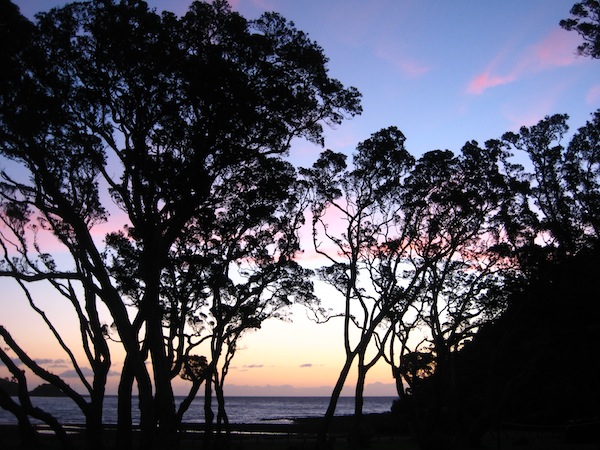
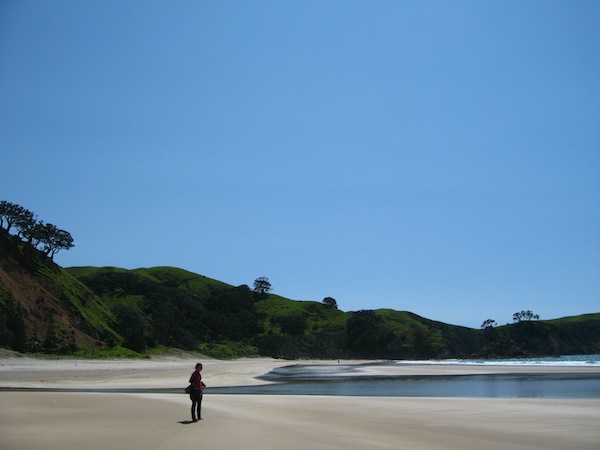
There are amazing pristine white sand beaches like I have not seen anywhere else in New Zealand and a network of great bush walks for keen hikers. Snorkeling and diving are supposed to be amazing here but I didn’t do any of those so can’t talk about them. It is also supposed to be a popular place for birdwatchers, for the many beautiful species that choose to call the island home. If you’re into mountain biking, there are a few good tracks. If golf is your passion (I won’t question it but I do find it a lil’ bit dull), there’s a nine hole golf course as well.

Population numbers are very low on Great Barrier (something like a little over 800 people covering 285 square kilometres). It’s not unusual to drive for ages without seeing anyone else and it is also not unusual to realise that pretty much everyone you’ve established any sort of contact with while on the island knows each other.

But there’s more to Great Barrier than just the stunning landscapes. Artists have found in the island their perfect refuge and many run small galleries where they exhibit and sell their creations. We bought a couple of unique handmade charms off an artist on the island, just as we were on our way to the airfield to return back to Auckland. That’s when we realised the galleries deserve a closer look (a reason to go back).
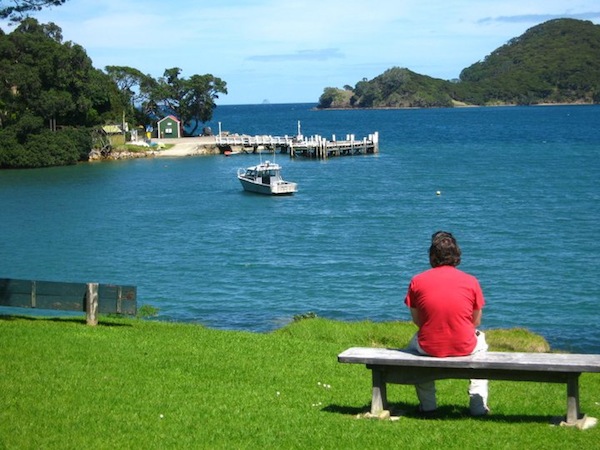
We only had three days on the island and I was a bit worried we’d be rushing around to see all the sites we had planned on seeing. However, as we arrived there, the relaxed, no-frills lifestyle kind of rubbed onto us and we found ourselves taking our time and not really stressing about getting through our list of places to see. We sat around for ages admiring landscapes and enjoyed the privilege of walking along deserted beaches.

Three days were enough to give us a taste of Great Barrier Island but they were also enough to make us realise we definitely need to return. And you should go there too.
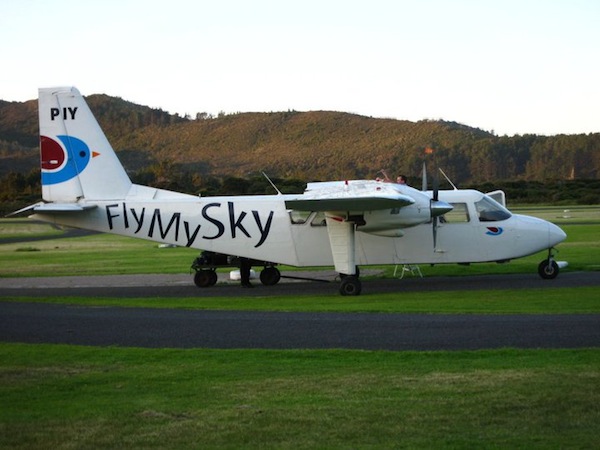
How to get there:

You can either fly or take a ferry from Auckland to Great Barrier Island. If you’re flying, you can choose to fly with Fly My Sky (the company we used) or Great Barrier Airlines. The trip takes about half an hour.

If you’re choosing to take the ferry (which can either take 2 1/2 or 4 1/2 hours, depending on whether it is a car ferry or a passenger ferry), both SeaLink and Fullers operate from Auckland.
Where to stay:

There are many accommodation options on Great Barrier and most of them look very nice. Truth is, you’re never too far from an amazing beach on the island so, wherever you choose to stay, it’ll probably be amazing. We stayed in Tryphena, at the south end of the island, not very far from the airfield.

Getting around the island:

The roads on Great Barrier are not paved so my advice is that you do not take your own car to the island (which you can do with the car ferry). Hiring a car on the island is not very expensive and you’ll be thankful you are driving a rental car when you hit the really rough parts of the roads.

Food:

There are some good restaurants on Great Barrier, if memory serves me right. We had a delicious dinner at an Irish pub in Tryphena. I can’t remember the name but I’m pretty sure there aren’t two Irish pubs there so that should be enough information to get you there.

However, snacks can be expensive! Great Barrier Island’s groceries arrive weekly from supermarkets in Auckland and, therefore, stock is limited and prices are higher than you will find in other areas of New Zealand. If you’re going for just 3 or 4 days, like we did, I suggest you pack some snack bars or biscuits, in case you get hungry and don’t feel like paying 3 or 4 times as much for them.
Money:

There are no banks or ATMs on Great Barrier so take cash with you!

Not to miss:

The SS Wairarapa shipwreck site, on the north of the island, is well worth a visit.

Don’t forget to visit the Kaitoke hot springs, which are a short bush walk away from the road.

Windy Canyon is well worth the walk to (especially for the stunning panoramic views you get of the whole island). But they’re not joking about the name – don’t leave that jacket in the car!

* Winter has really settled in here in the land of the long white cloud (and we’ve been having some seriously cold weather). The next best thing after warm coats, hot cups of coffee and comfortable knitwear is to remind myself of how much I enjoyed the past summer. It is also a good reminder of the good times to look forward to when the next summer comes around. Oh yes it is!
 
This is the fourth post in the series.The first one was about Rarotonga, the second was about White Island and the third one was about New Zealand’s South Island.